
How to Use Your Ski Instructor Qualifications Internationally
The great thing about being a ski instructor is that you get to do what you love every day. Being paid to ski and teach is an incredible career, and once you’ve gained your ski instructor qualifications, there are opportunities across the globe.
It’s a rewarding pathway with major benefits:
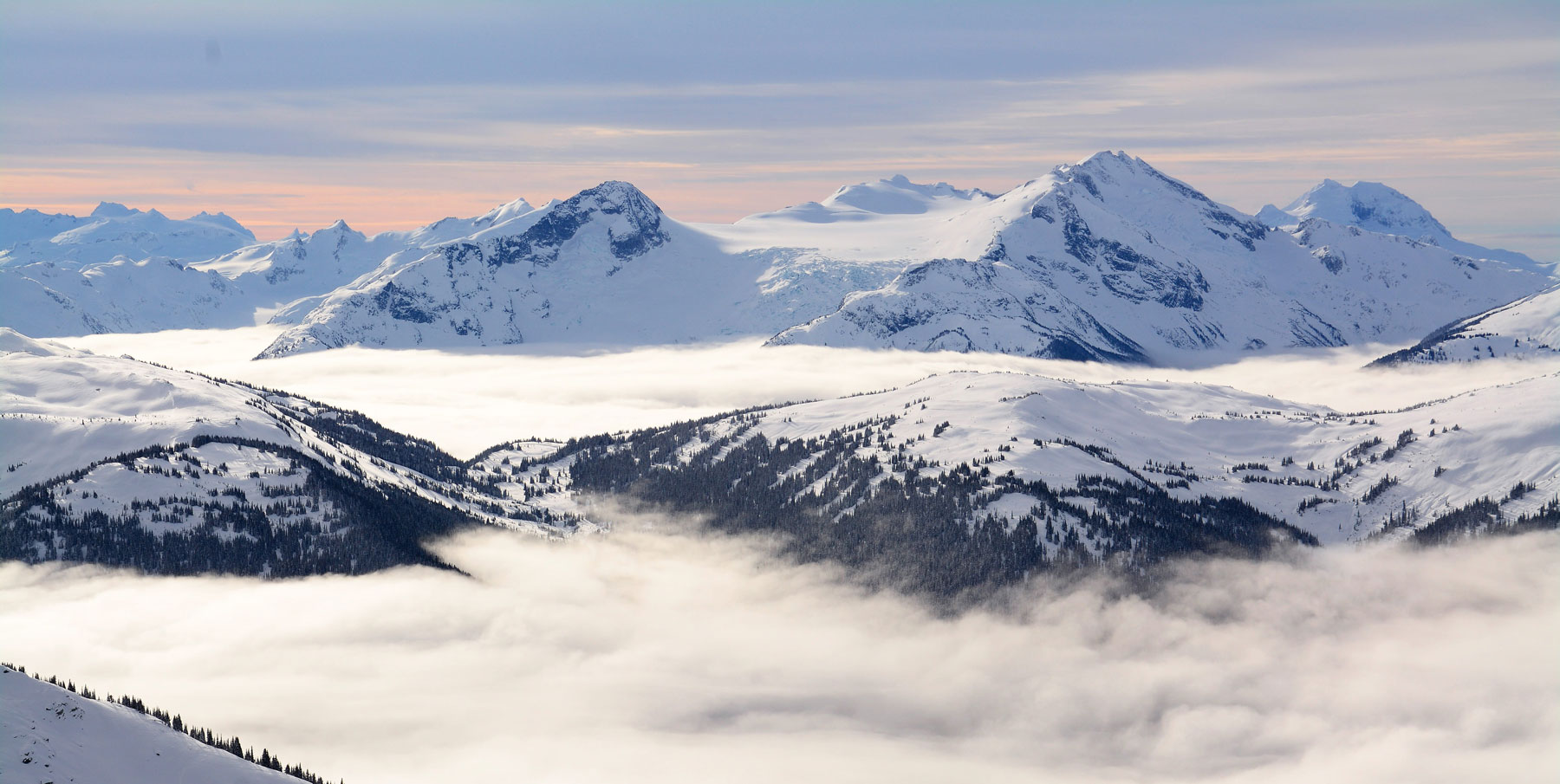
- Working outdoors with amazing views
- Employment in world-class resorts
- International travel opportunities
- Staying physically active
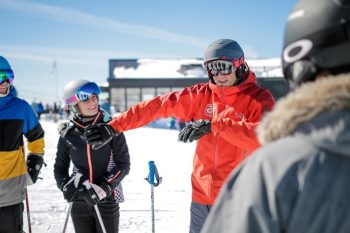
- Being part of a tight-knit ski school team
- Good career progression pathways
- Opportunities to learn new languages
Once you’ve earned your ski instructor qualifications, the next step is understanding how they work internationally and what roles you’re eligible for.
If you are considering an ALLTRACKS course or already hold qualifications, contact the office for tailored 1:1 advice.
What Qualifications Do You Need to Be a Ski Instructor?
One of the most common questions we’re asked is: what qualifications do you need to be a ski instructor?
To work legally and professionally, you must hold certification from a recognised national governing body. Each alpine nation has its own qualification pathway, but most systems follow a structured four-level progression.
These associations are typically members of the ISIA (International Ski Instructors Association), which sets global standards for instructor training and helps ensure international recognition.
Major International Ski Instructor Qualification Systems
The most widely regarded qualification systems include:
- CSIA (Canadian Ski Instructors’ Alliance)
- PSIA (Professional Ski Instructors of America)
- NZSIA (New Zealand Snowsports Instructors Alliance)
- BASI (British Association of Snowsports Instructors)
In particular, BASI ski qualifications are highly regarded and commonly pursued by UK trainees. The BASI ski instructor pathway aligns with ISIA standards, allowing instructors to work in multiple countries once they progress through the levels.
Other respected systems include ENSA (France), OSSV (Austria) and AMSI (Italy), although these are typically more country-specific in structure.
Understanding the Ski Instructor Qualification Levels
Across most systems, including CSIA and BASI ski, there are four progressive levels.
Level 1: Entry Level Instructor
- Allows you to teach beginner skiers
- Often restricted to working within the country of qualification
- For UK trainees, BASI ski level 1 is the starting point and qualifies you to assist or teach beginners in controlled environments
If you’re asking what qualifications do you need to be a ski instructor, Level 1 is the minimum entry point.
Level 2: International Mobility
- Allows you to teach intermediate skiers on marked runs
- Widely recognised internationally
- Strongly recommended if you want to use your ski instructor qualifications abroad
For example, many instructors obtain CSIA Level 2 before working internationally. Likewise, progressing beyond BASI ski level 1 significantly improves overseas job prospects.
Level 3: Advanced Instructor
- Enables teaching in varied and more challenging terrain
- Often allows examining lower levels
- Considered a high-level professional qualification
At this stage, your ski instructor qualifications become highly portable and competitive globally.
Level 4: Instructor Trainer / Highest Qualification
- The most advanced certification
- Allows you to train and assess future instructors
- Recognised at the highest international level
A Level 4 BASI ski instructor or CSIA Level 4 can work in most alpine nations, subject to local regulations and work permits.
How Recognised Are Ski Instructor Qualifications Internationally?
Most major associations are aligned under ISIA standards. This means that if you qualify through CSIA, BASI ski, PSIA or NZSIA, your credentials are widely understood by ski schools worldwide.
However, recognition depends on:
- Your qualification level (Level 2+ strongly recommended for international work)
- Visa and work permit eligibility
- Local country regulations
For example:
- CSIA Level 2 is often advised before working outside Canada
- Progressing beyond BASI ski level 1 significantly increases international employability
Employment Opportunities with CSIA, BASI & Other Qualifications
When applying for jobs, your level directly determines what roles you can perform.
Most ski schools structure employment based on qualification tier:
- Level 1 – Beginner groups
- Level 2 – Intermediate lessons
- Level 3 – Advanced terrain & senior roles
- Level 4 – Training & examining
Being transparent about your certification level is essential when applying internationally.
Choosing the Right Country to Work In
Once you’ve secured your ski instructor qualifications, the next step is choosing where to work.
You may choose to:
- Start in your home country to gain experience
- Travel internationally and use your BASI ski instructor or CSIA certification abroad
Ski resorts are typically multicultural and welcoming workplaces. However, research is critical. Consider:
- Family-focused vs party resorts
- Luxury vs high-volume ski schools
- Visa requirements
- Demand for English-speaking instructors
Half the appeal of becoming qualified is being able to use your ski instructor qualifications internationally, so don’t limit yourself geographically.
Ski Instructor Qualifications FAQs
What qualifications do you need to be a ski instructor?
You need recognised ski instructor qualifications from a national governing body such as BASI or CSIA. Level 1 is the entry point, with higher levels expanding your teaching scope.
Is BASI ski level 1 enough to work abroad?
BASI ski level 1 allows you to teach beginners, usually within the UK or controlled environments. Level 2 or above is generally recommended for international work.
Are BASI ski instructor qualifications recognised worldwide?
Yes. BASI ski instructor qualifications align with ISIA standards, meaning they are widely recognised internationally, subject to local regulations and visa rules.
How long does it take to gain ski instructor qualifications?
Level 1 can be completed relatively quickly, but progressing to Level 2–4 requires further training, exams and teaching experience